January 06, 2026
Read all about the Archive Producer training
Late last year the Grierson DocLab: Archive Producer trainees were fully inducted into the DocLab network, completing their training and coming along to the Grierson Awards ceremony. Read more about their highlights, stand-out speakers, key learning and more. Grierson DocLab: Archive Producers is run in collaboration with Prime Video Pathway – a £12.2 million investment in the industry from Prime Video, dedicated to opening up access to careers within UK TV and film.
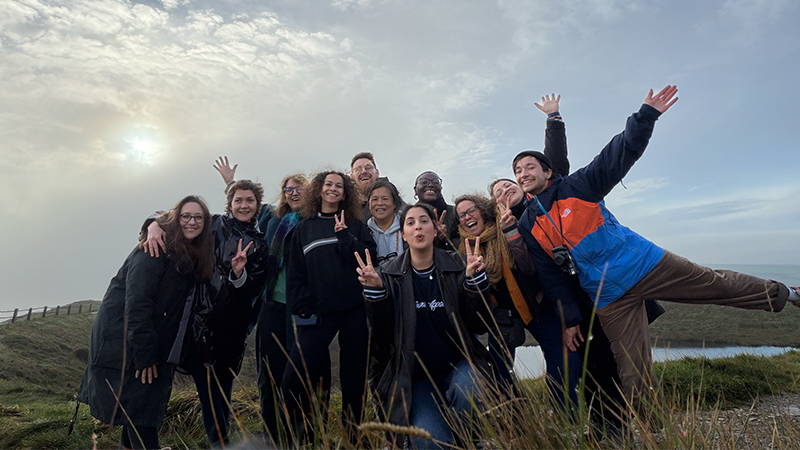
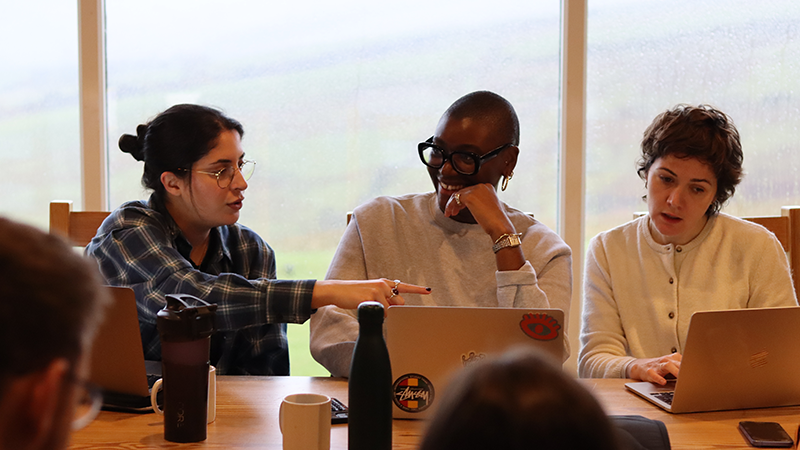
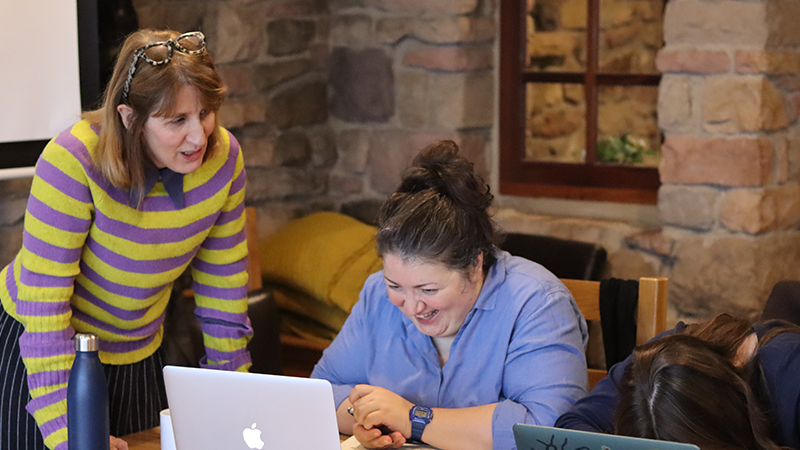
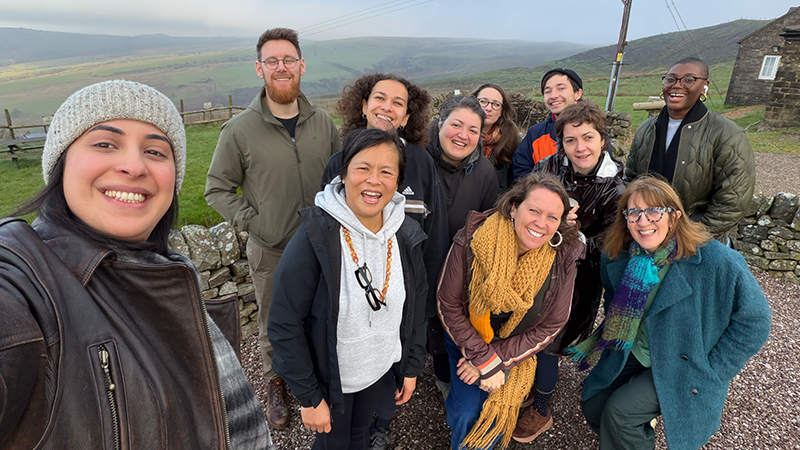
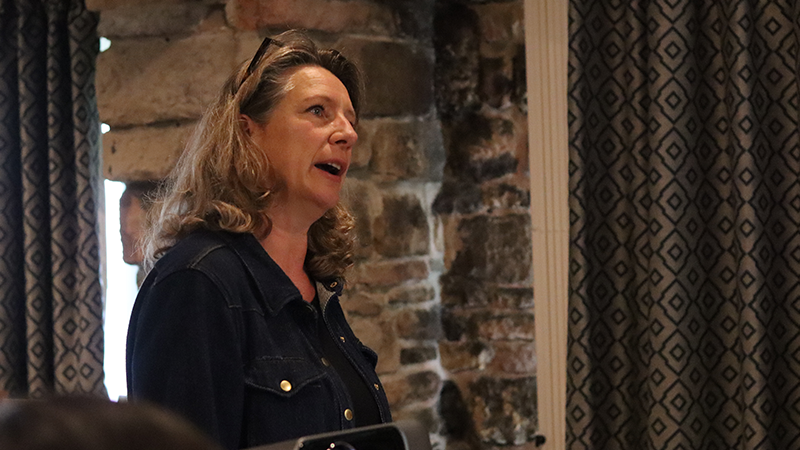
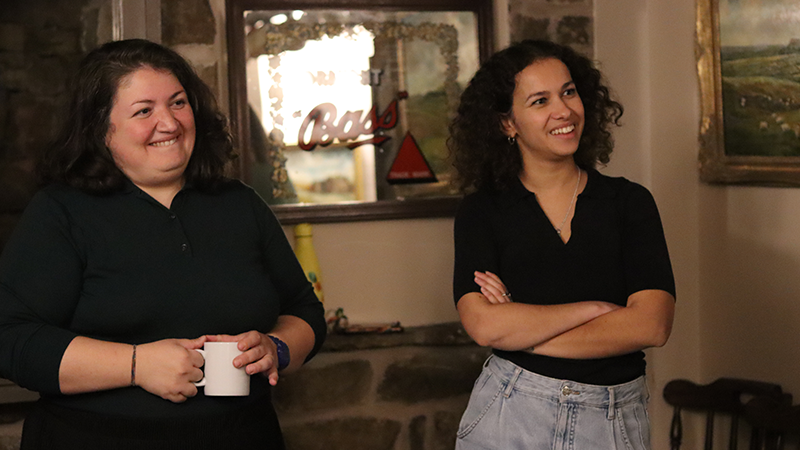
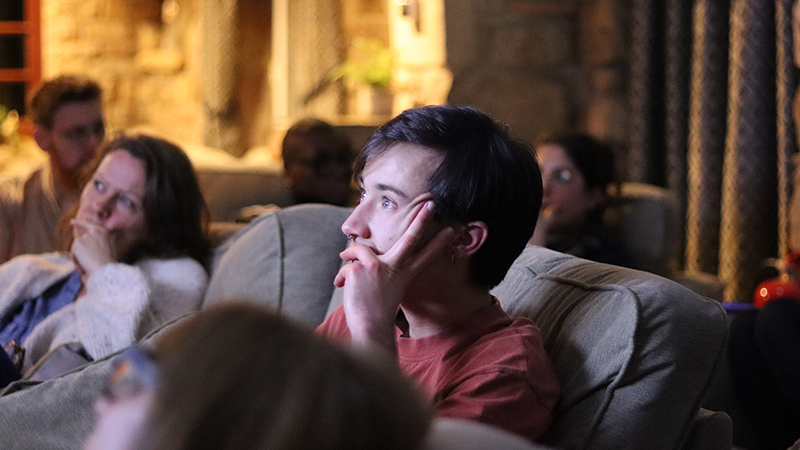
Trainees at the residential for the 2025 Archive Producer programme.
The online training week
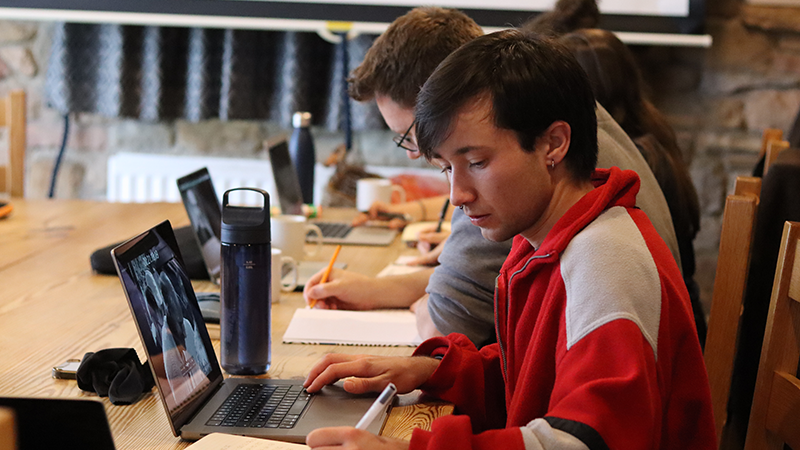
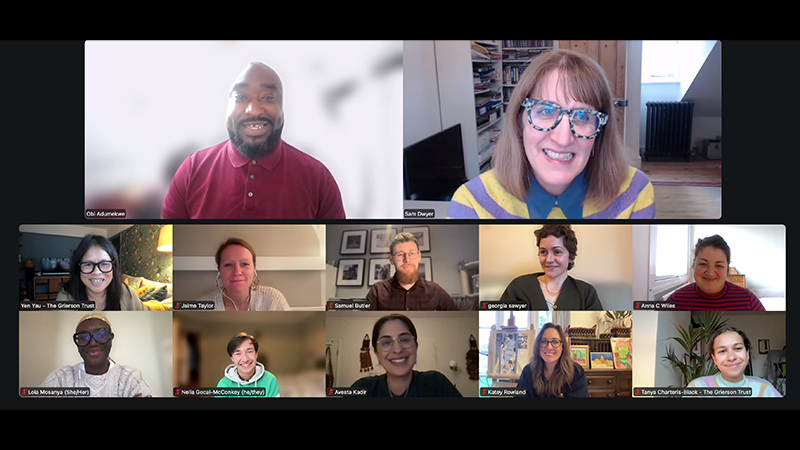
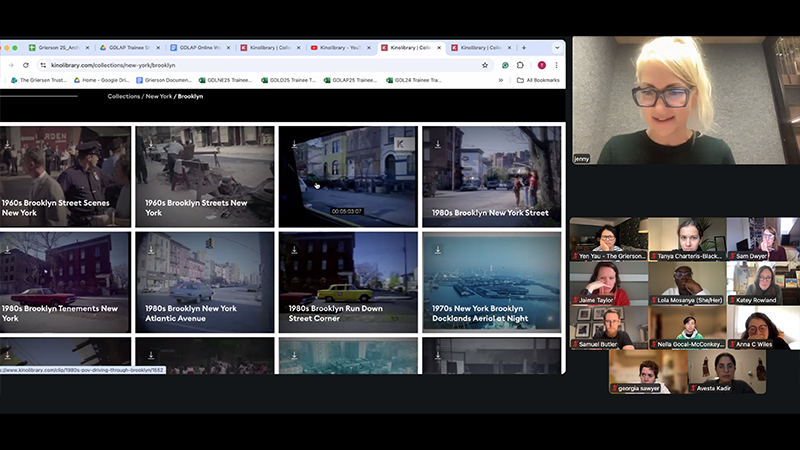
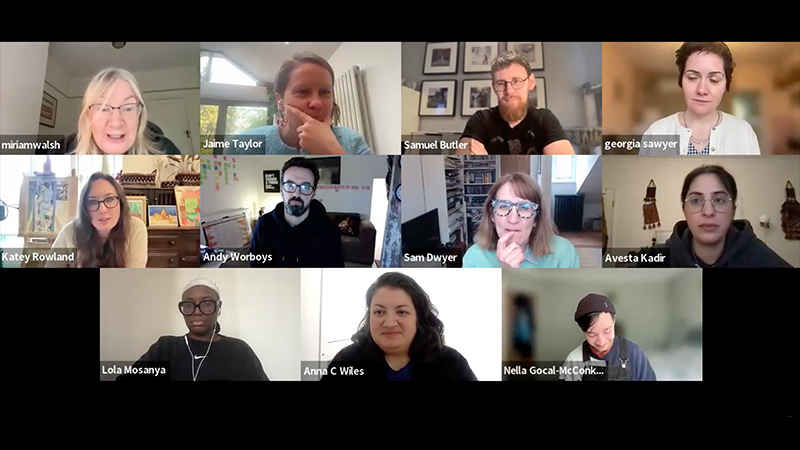
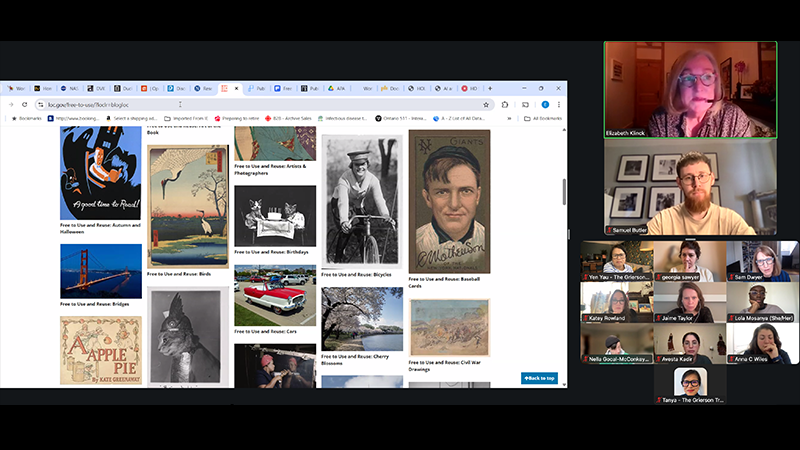
Training began online for the new archive producer trainees, where they kick-started their learning with a week of online sessions, workshops and exercises led by trainer and archive producer, Sam Dwyer.
-
“I was astounded by how much could be packed into the first training week and the online format undoubtedly helped with this: how else could we have access to such an incredible line-up of stellar international speakers in such a compact timeframe? archive producers, directors, editors and archivists at the top of their game and so generous with their knowledge and time.” – Jaimie
-
“I found the chronological structure of the online training to be so helpful! From initial questions and planning effective research, to the nitty gritty of final delivery, it really rooted the week within the working reality of the job.” – Georgia
-
“Before embarking on the course, I worried that I would find it too intense and feel unable to focus. Sam's approach was calm, steady and methodical with personal anecdotes and practical exercises, and this kept me fully fascinated for the entire duration. Equally, there was always time for questions. I especially appreciated how flexible the lessons were.” – Nella
The group heard from speakers from Prime Video, R3Stores Studios, and Creators Counsel, as well as archives Getty Images, Kinolibrary, and LOLA Clips, plus a wealth of editors, directors and archive producers working in the field, lending their time and expertise to the group’s development.
-
“The lineup of speakers throughout the online week was truly outstanding, but the one who inspired me most was John Balean of TopFoto. His session on archive and AI was not only illuminating but also remarkably timely, offering a grounded perspective to address the real day-to-day implications of integrating AI into archival practice. What resonated most were his reflections on ethical approaches to emerging technologies. He spoke about the responsibilities that archive producers carry when navigating questions of authenticity with both rigour and sensitivity.” – Anna
-
“I had two speakers who inspired me in different but equally powerful ways. Miriam Walsh, a seasoned yet humble archive producer, really stood out to me through her range and depth of experience and skills. What inspired me most was how she works on incredibly poignant and meaningful stories and projects, often dealing with deeply human and potentially difficult material, yet she remains grounded in her sense of purpose... On a different end of this specialism, Jo Griffin inspired me through her dedication to preserving and restoring physical archive. Listening to her made me realise the extent of the technical side of archive that I hadn’t fully considered before, and one that closely connects to my own passion for tangible and tactile materials.” - Avesta
Their biggest takeaways from the week:
-
“There were so many highlights: listening to the rockstars of the archive world speak candidly about the realities of working with tight budgets and timelines, and hearing them describe those rare, electrifying moments when a piece of treasure falls into your lap after intense digging and detective work. Hearing directors and editors talk through their creative processes and discussing how to navigate and manage those relationships within the practical constraints of archive production was equally invaluable.” – Katey
-
“My biggest takeaway from the week is how multifaceted a career in archive producing can be. An archive producer works across research, editorial, budgeting and legal which can feel daunting. But the archive world seems to attract people who are naturally curious and, in many ways, collectors of information who are generous in sharing what they know. After hearing from the guest speakers, I left the training week feeling that the best archive producers are defined not only by their skills but also by the networks they build.” – Lola
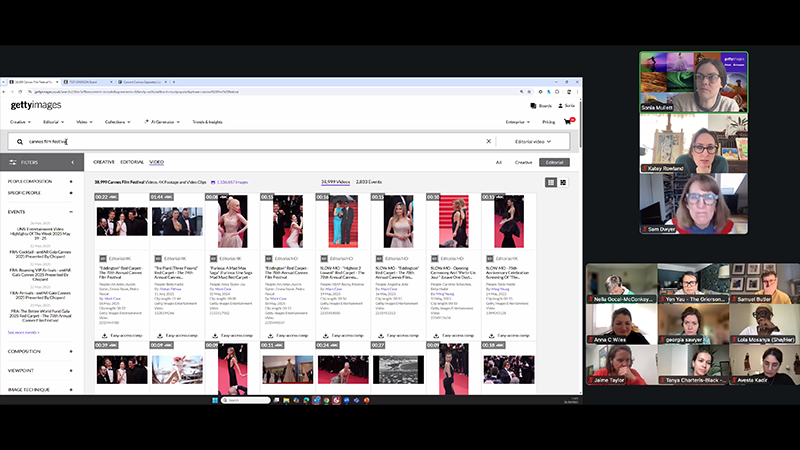
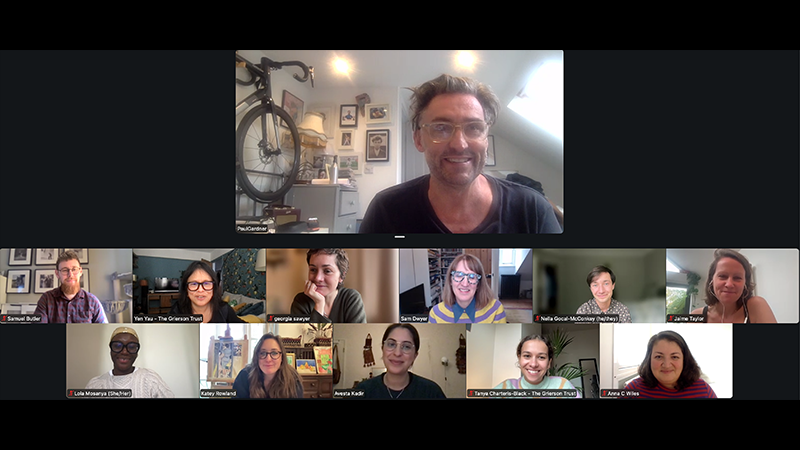
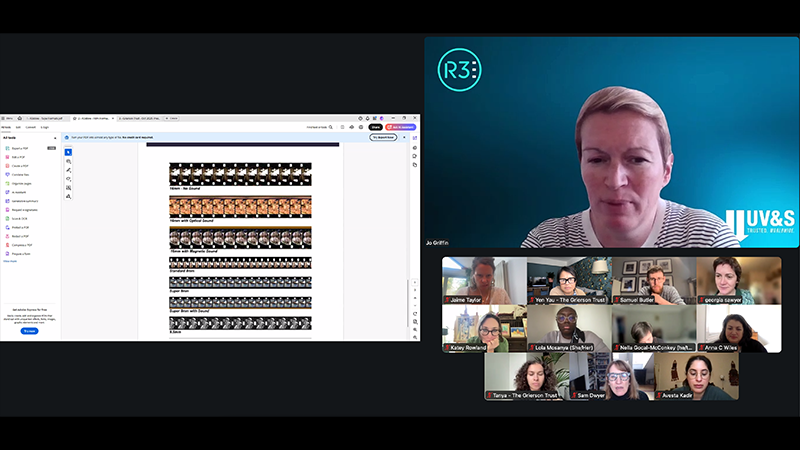
2026 Archive Producer Online Speakers
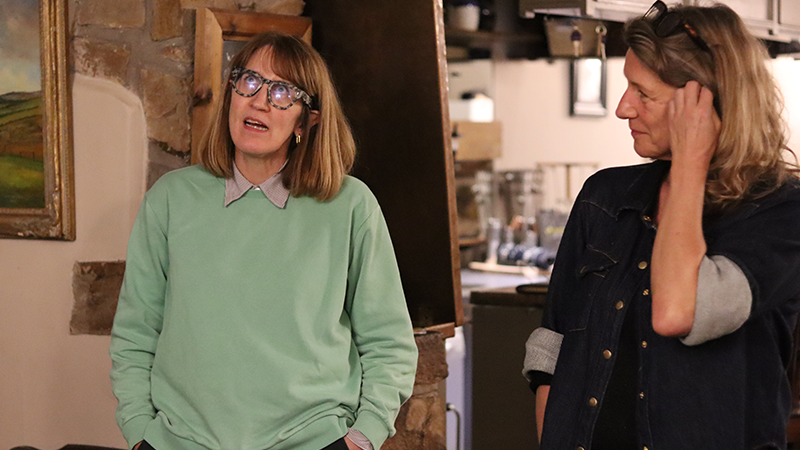
A selection of speakers from the online training week for the 2026 Grierson DocLab: Archive Producer cohort.

The Residential
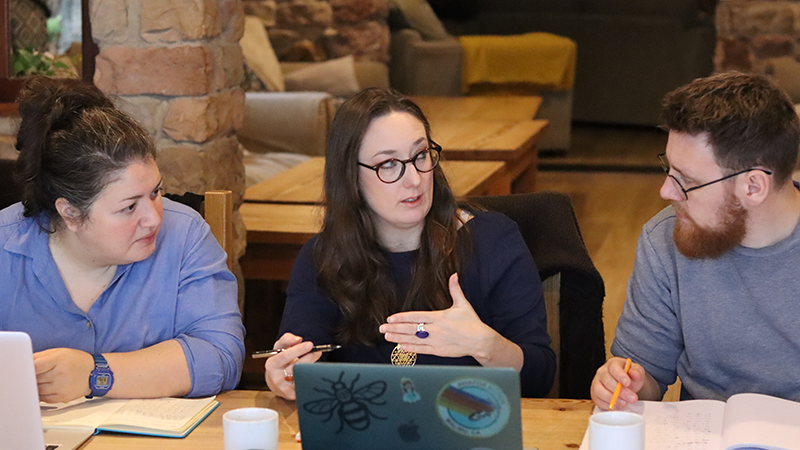
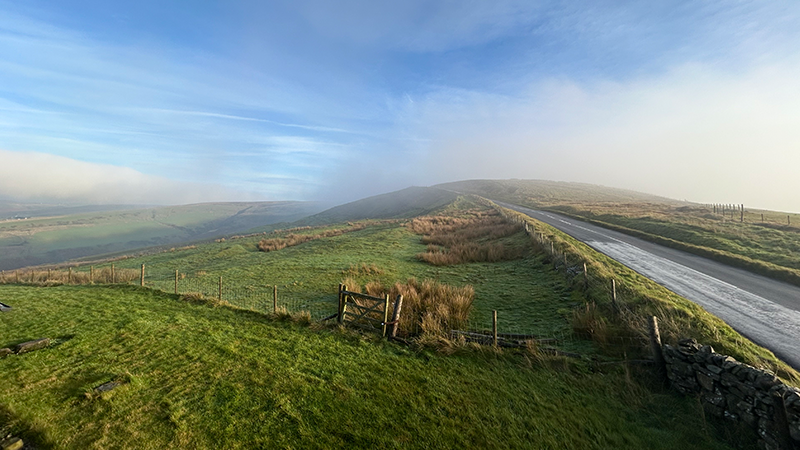
The group of eight then headed to the Peak District for the residential, where Sam Dwyer once again guided the trainees through workshops, training exercises and discussions to consolidate and expand on their learning.
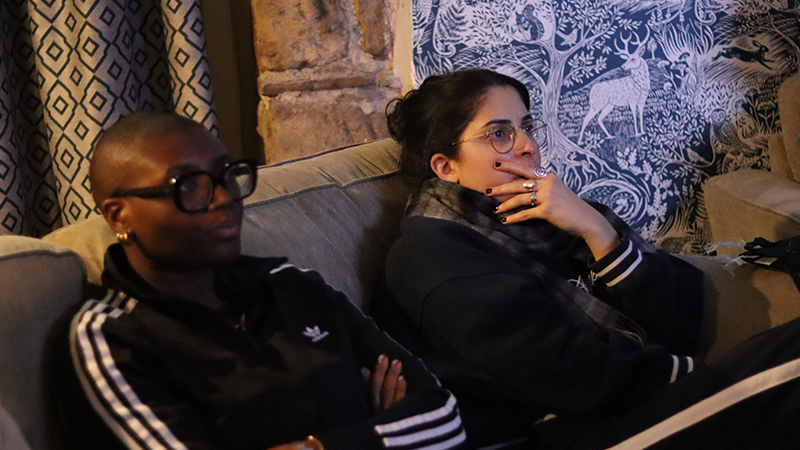
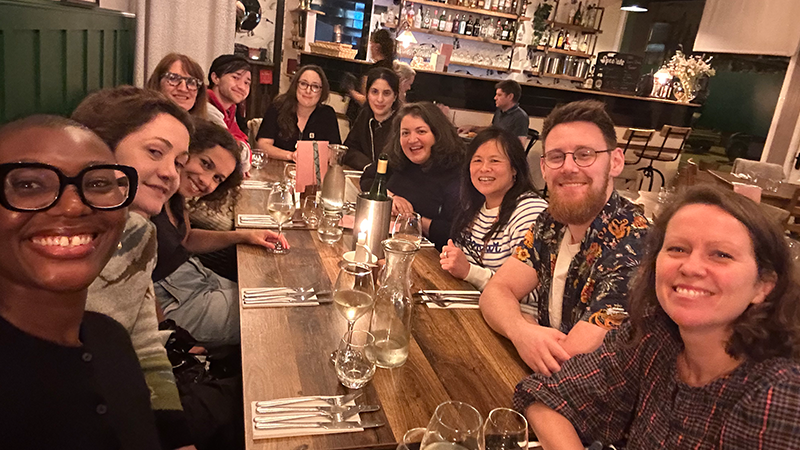
- “Until the archive producer residential I couldn’t completely appreciate how rural the chosen location is and by implication how much I had the clear choice to switch off from outside noise. I tuned into the training, speakers and fellow trainees. Breaks were spent having great conversations, taking in the Peak District views right from the main study room and going on walks before getting back to the programmed training. Evenings were spent having group dinners and watching documentaries that made discussion come easily. The residential week was an immersive experience in every way.” – Lola
The trainees were joined by speakers, Juliana Rhufus investigative journalist and trauma-informed journalism trainer and Stephen Slater, who archive produced for Grierson-nominated Ronnie O’Sullivan: The Edge of Everything, also came along to spend time with the group, outlining the Ronnie O’Sullivan documentary as a case study, as well as delivering a session on ethics in filmmaking.
-
“Meeting the speakers in-person was especially powerful. Sharing the same space, eating together, talking informally, and watching documentaries side by side meant our interactions transcended the usual speaker–listener dynamic and became genuine exchanges.” – Katey
-
“Juliana Rufus introducing a few of us to the practice of non-violent communication as we prepared and ate our breakfast, was a real standout moment for me! Not necessarily because of the subject, but more so for how it stands out as an example of how the residential week provided the time and space for all that the training was bringing to the surface to be considered in its fullness, quite often in the quieter, somewhat in-between moments - as we were preparing meals, making tea or just having a chat in the corridor or on the sofa!” – Georgia
Huge thank you to both speakers for their time and expertise, as well as those who joined remotely: Clear Cut Pictures, FOCAL International, Emily Turner and Christina Falk to present Aileen: Queen of the Serial Killers as a case study, as well as Jackie Clary for outlining her experience on The Greatest Night in Pop.
Stand-out moments from the sessions included…
-
“Meeting our final speaker, the joyfully exuberant archive producer Jackie Clary, was the perfect ending to a rollercoaster two weeks of training, including meeting inspirational filmmakers, archive producers and archivists. Seeing the love Jackie has for her job, hearing about the beautiful projects she’s been involved in, and the stories and wisdom she shared left us on a real high as we wrapped up in the in-person training.” – Jaime
-
“To hear from such an experienced archive producer who, after 30 years in the role, still has that same passion, gave us all a lot of hope for our future. Plus, Jackie wasn’t the only archive professional we heard from who exhibited this lasting joy!” – Nella
-
“Sitting down with Stephen Slater to discuss his work on The Edge of Everything and Apollo 11 was a particularly special session for me. The way he guided us through his experiences on both films, enthusiastically sharing his insights, expertise and deep knowledge, was incredibly inspiring. His openness and warm, conversational manner gave the session a real sense of accessibility and honesty.” – Samuel
The trainees will now move on to being matched with their placements working on archive-led productions, being paired with their mentors and completing visits to archives early this year.
-
“The training encouraged me to reflect more deeply on where I want to position myself and the kinds of projects I want to be part of, which made me feel more empowered. After spending years navigating this industry and its barriers, this experience has made the future feel more possible – all supported by a great group of people who also celebrated my curiosity and openness.” – Avesta
-
“I’ve come to appreciate how vital the role of an archive producer is in connecting authenticity with compelling visual storytelling. It’s made me realise that this work is a creative, interpretive craft where each decision can meaningfully influence how a narrative resonates with an audience. That sense of responsibility is exactly the kind of challenge I want to take on.” – Anna